
Texas Tanning Industry

Tanning Salon License in Texas: What TDLR Rules Actually Apply

A tanning salon license in Texas is no longer required to operate a tanning salon in Texas. If you've been searching for one, here's what actually applies to your business — and what Chapter 145 still requires.

Quick Answer

Texas eliminated tanning salon licensing in 2015 via Senate Bill 202. TDLR has never regulated tanning. DSHS formally repealed all related rules effective November 10, 2025. No state license is required today - but key consumer-protection rules from Health & Safety Code Chapter 145 still apply.
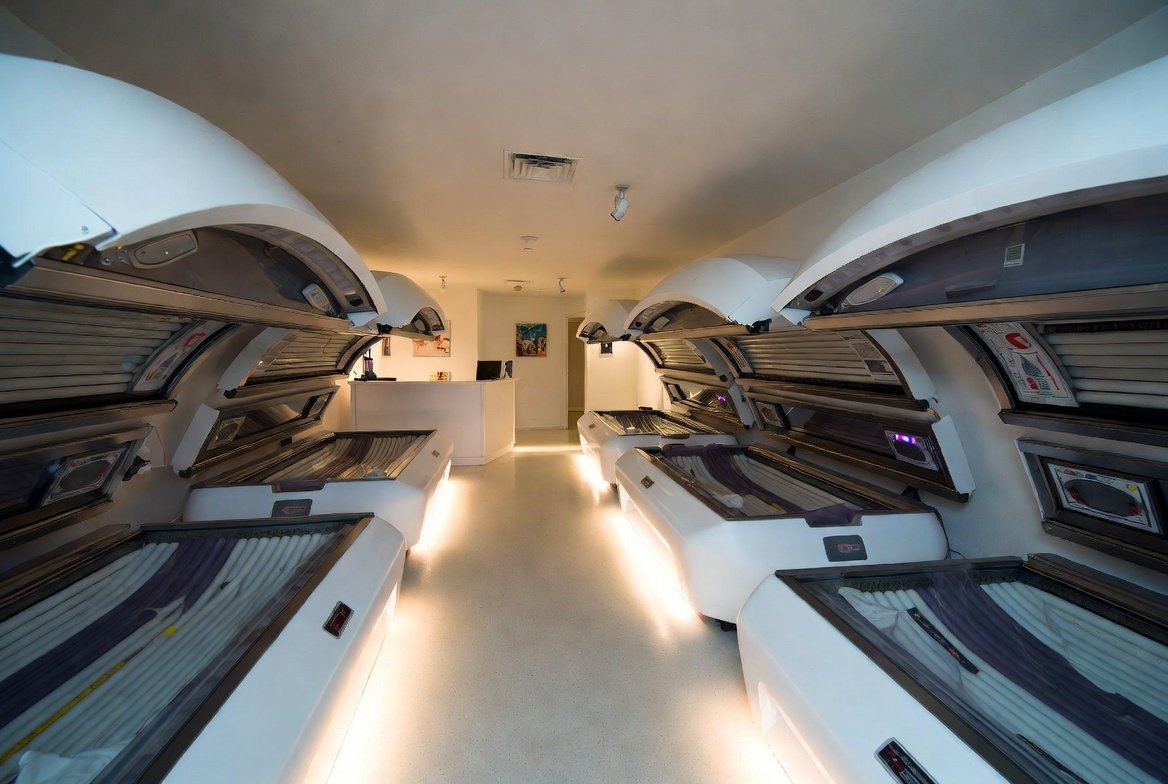
TDLR-Approved Provider #2512 4-Hour Course — Complete Online Instant Certificate on Completion
tanning salon license in Texas requirements TDLR rules 2026
Regulatory History

Does Texas Require a Tanning Salon License in 2026?

The short answer is no. Texas does not currently require a state-issued license to operate a tanning salon or tanning facility.

For decades, tanning facilities were licensed by the Texas Department of State Health Services (DSHS) under Health and Safety Code Chapter 145, the Tanning Facility Regulation Act. That requirement was removed by Senate Bill 202, passed in 2015.

DSHS formally completed the process by repealing all tanning facility licensing rules (25 TAC §§229.341–229.357), effective November 10, 2025. In that rulemaking, DSHS confirmed: the requirement for DSHS to license tanning facilities no longer exists.

TDLR - which oversees cosmetology, barbering, and esthetics — has never regulated tanning salons. Its own published FAQ explicitly excludes tanning from its jurisdiction.
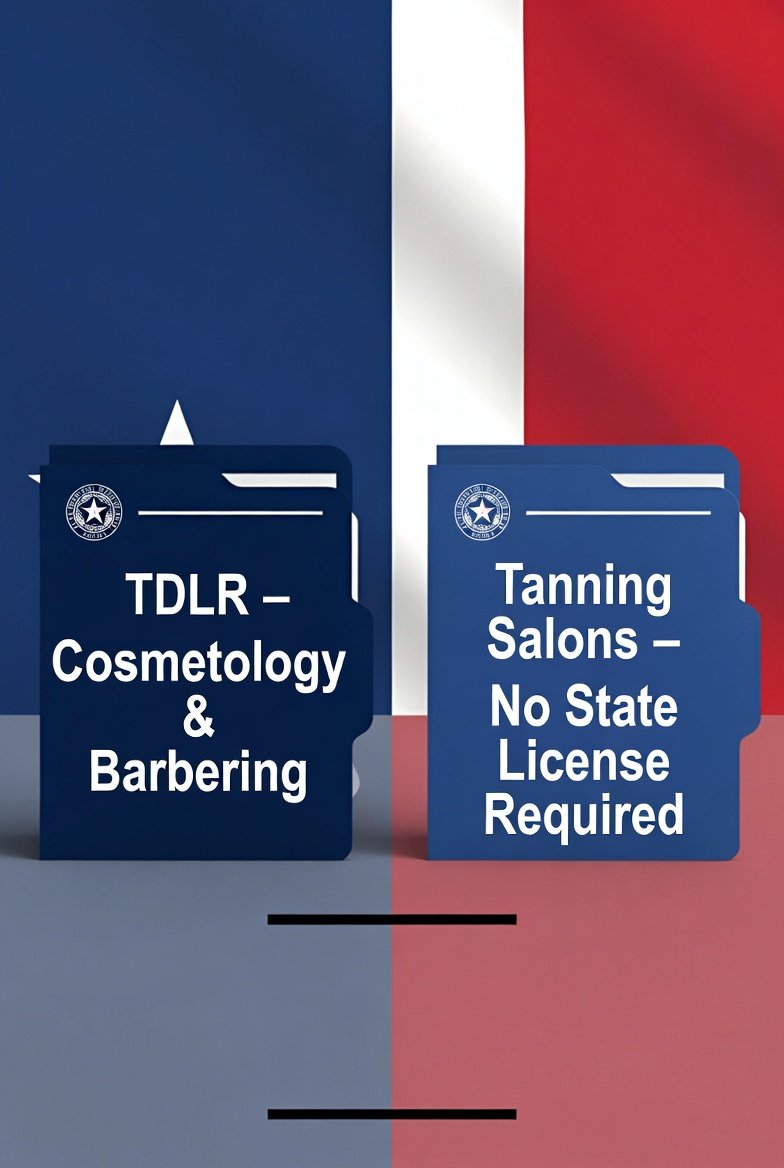
Texas tanning salon licensing requirements overview
Business / Service Type TDLR License Required? State Tanning License Required? Notes
Cosmetology salon (hair, nails, etc.) ✓ Yes ✕ No TDLR establishment license required
Esthetician salon (facials, skincare) ✓ Yes ✕ No TDLR establishment license required
Barbershop ✓ Yes ✕ No TDLR barbershop license required
Standalone UV tanning salon ✕ No ✕ No Chapter 145 consumer rules still apply
Spray tanning business ✕ No ✕ No TDLR explicitly unregulated service
Cosmetology salon + tanning beds ✓ Yes ✕ No TDLR covers cosmetology; tanning is separate
Chapter 145 — Still in Effect

What Rules Still Apply to Tanning Salons in Texas?

Deregulation at the state level does not mean tanning facilities have no obligations under Texas law. Health and Safety Code Chapter 145 establishes these ongoing consumer-protection requirements.

Under-18 Prohibition

Texas Health and Safety Code §145.008(f) prohibits any person under 18 from using a tanning device. No parental consent exception exists. Violating this rule means violating state law.

Required Warning Signage

Facilities must post visible warning signs about UV risks, skin cancer potential, and eyewear requirements. Specific statutory language is prescribed, including elevated-risk warnings for fair-skinned individuals.

Customer Recordkeeping

Operators must maintain a record for each customer for at least 3 years from their last visit, including session dates, Fitzpatrick skin type, personal and family cancer history, and signed acknowledgment of warnings.

Protective Eyewear Required

Customers must wear protective eyewear when using a tanning device. The facility is responsible for ensuring compliant eyewear is available and actually used by customers during sessions.

No False Safety Claims

Operators may not advertise or represent that tanning is safe, free from risk, or provides health benefits. Claims like “safe tanning” or “healthy glow” sessions may violate this statutory prohibition.

Local Permits May Apply

While Texas has deregulated tanning at the state level, municipalities retain authority to impose local requirements. Dallas, Houston, San Antonio, and Austin may have their own health department rules - always verify locally.

Common Situations

Your Business Type: What This Means in Practice

The regulatory picture differs depending on how tanning fits into your business model. Here is what each common scenario looks like under current Texas law.

Scenario 1
Standalone UV Tanning Salon

A business offering only UV tanning services does not need a TDLR establishment license, and no state-level tanning facility license is required. Chapter 145 consumer rules apply. Local health department requirements should be verified.

No State License Required
Scenario 2
Cosmetology Salon + Tanning Beds

A TDLR-licensed cosmetology establishment adding tanning beds does not need any additional state license for that component. The TDLR license covers regulated services only; tanning operates separately under Chapter 145.

TDLR License for Cosmetology Only
Scenario 3
Spray Tanning Business

TDLR explicitly identifies spray tanning as an unregulated service. No cosmetology license and no establishment license is required to operate a standalone spray tan business or mobile spray tan service in Texas.

No License Required
Scenario 4
Licensed Cosmetologist Offering Spray Tans

A cosmetologist performing spray tanning within a TDLR-licensed establishment is still governed by TDLR's sanitation and establishment requirements for their other regulated services. The spray tanning itself is not a regulated act under Texas cosmetology law.

CE Renewal Still Required for License
Check Local Requirements Texas has deregulated tanning at the state level, but local municipalities retain authority to impose their own requirements. Tanning salon owners in Dallas, Houston, San Antonio, or Austin should verify with their city or county health department whether any local permits, inspections, or operating requirements apply before opening.
For Licensed Professionals

How to Open a Tanning Salon in Texas (Current Requirements)

For Texas cosmetologists and estheticians working in salons that also offer tanning services, the regulatory picture is straightforward. Here is what you need to know about how tanning services interact with your individual license obligations.

1
Your TDLR license governs your cosmetology services only

A cosmetologist's or esthetician's personal TDLR license covers the cosmetology or esthetics services they perform. It has no bearing on tanning services offered at the same location.

2
Your salon's TDLR establishment license does not cover tanning

The TDLR establishment license governs regulated cosmetology services. It does not extend to tanning services offered at the same location. Those are addressed separately under Chapter 145.

3
Track Chapter 145 compliance for tanning separately

The under-18 ban, warning signage, recordkeeping, and eyewear requirements under Chapter 145 apply to the tanning portion of your business independently of your TDLR obligations.

4
Your CE requirement is tied to your license — not your services

Texas cosmetologists and estheticians must complete 4 hours of TDLR-approved CE every two years to renew their license. This requirement applies regardless of what other services — including tanning — their salon offers.

5
Complete your CE renewal through a TDLR-approved provider

If you are approaching your license renewal period, completing CE through a TDLR-approved provider like txcosmetologyce.com satisfies your continuing education requirement — a separate, ongoing obligation regardless of what other services your salon offers.

Salon owner reviewing tanning compliance documentation
Frequently Asked Questions

Texas Tanning Salon Licensing: Common Questions Answered

The most common questions about tanning salon regulation in Texas — answered based on current state law.

No. Texas eliminated the state-level tanning facility license requirement through Senate Bill 202 in 2015. DSHS, which previously administered the program, formally repealed all related licensing rules effective November 10, 2025. No state license is currently required to operate a tanning salon in Texas.

No. TDLR regulates cosmetology, barbering, esthetics, nail care, and related services. Tanning has always been governed separately under Texas health and safety law, not cosmetology law. TDLR does not license, inspect, or regulate tanning facilities — its own FAQ explicitly confirms this.

Yes. A TDLR-licensed cosmetology establishment can add tanning services without obtaining any additional state license for the tanning component. The TDLR license covers the regulated cosmetology services; tanning is separately addressed under Health and Safety Code Chapter 145.

Yes. Even without a state licensing requirement, tanning facilities in Texas must comply with remaining provisions of Health and Safety Code Chapter 145. These include a strict ban on tanning for anyone under 18, requirements to post specific warning signs, prohibitions on making false safety claims, and obligations to maintain customer records for at least three years.

No. Texas law prohibits tanning facilities from allowing any person under 18 to use a tanning device, with no exception for parental consent. This is one of the most significant ongoing obligations under Chapter 145 and applies to all tanning facilities regardless of licensing status.

No. TDLR has identified spray tanning as an unregulated service in Texas. No cosmetology license is required to perform spray tanning services. This is consistent with the broader deregulation of tanning services at the state level.

Yes. A cosmetologist's CE requirement — 4 hours every two years through a TDLR-approved provider — is tied to their individual cosmetology license and is required regardless of what other services their salon offers. Tanning services at the same location have no effect on this obligation.

Ready to Renew Your License?

Your Cosmetology CE Requirement Doesn't Stop Here

Tanning services may be deregulated, but your Texas cosmetology or esthetics license renewal still requires 4 hours of TDLR-approved continuing education every two years. Complete it online, on your schedule, through Provider #2512.

Enroll Now — Complete Your 4-Hour CE

TDLR-Approved Provider #2512 100% Online — Start & Stop Anytime Instant Certificate Issued Accepted by TDLR
Texas tanning salon — cosmetology CE renewal